
US installed 43.2 GW of solar capacity in 2025, report finds
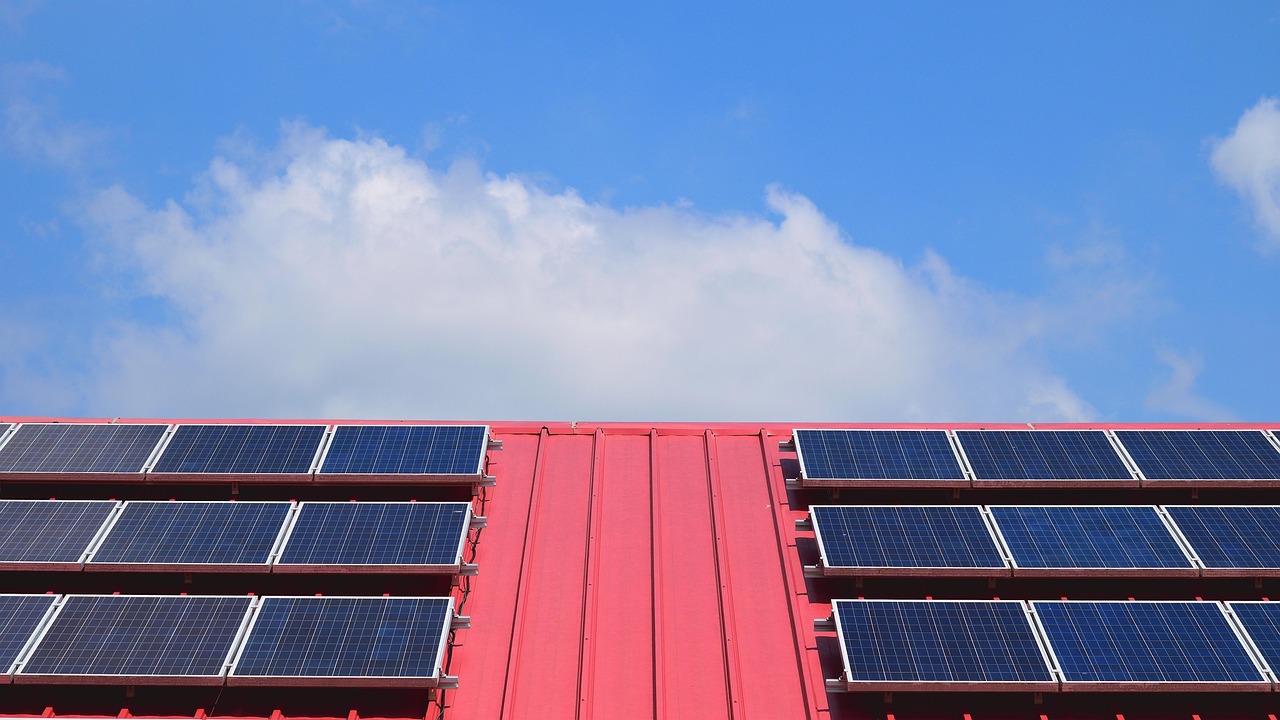
The United States installed 43.2 GW of new solar capacity in 2025, according to the Solar Market Insight 2025 Year in Review report released by the Solar Energy Industries Association and research firm Wood Mackenzie.
The additions meant solar accounted for 54% of all new electricity-generating capacity added in the United States last year, maintaining its position as the country’s top new generation technology for the fifth consecutive year. In total, solar, wind and energy storage represented 92% of all newly installed generation capacity in 2025.
Installations decline year over year
Despite strong overall deployment, total annual installations were down 14% compared with 2024 levels, the report said.
The slowdown was largely driven by a sharp drop in utility-scale installations during the fourth quarter, when installations declined 40% quarter over quarter.
According to the report, the downturn was further compounded by the passage of the One Big Beautiful Bill Act (OBBBA). The legislation prompted many developers to reassess project pipelines and push project completion timelines into the 2026–2028 period.
Even with reduced annual installations and expectations for more moderate growth in the coming decade, analysts say solar will remain the dominant source of new capacity in the US power sector.
“It’s clear that solar will continue to be the dominant source of new power capacity in the United States, even as gas generation continues to grow,” said Michelle Davis, head of solar at Wood Mackenzie and lead author of the report. “Strong demand growth combined with escalating costs of new gas plants will allow solar to remain competitive, even without tax credits.”
Utility-scale segment sees largest decline
Utility-scale solar installations fell 16% year over year in 2025, totaling 34.7 GW of new capacity.
The report also noted rising project costs. Utility-scale pricing increased 11% for systems using fixed-tilt racking and 14% for single-axis tracker installations.
These increases were largely attributed to higher costs for structural and electrical components, along with a 35% rise in engineering, procurement and construction (EPC) overhead and margins. Developers are increasingly securing EPC contracts to ensure projects meet upcoming safe-harbor requirements and tax credit deadlines.
The residential solar segment experienced a slight decline in installations, while pricing remained relatively stable year over year.
According to the report, two factors contributed to the decline. First, companies had limited time to respond to policy changes under the OBBBA that eliminated Section 25D residential solar tax credits at the end of the year. Second, equipment shortages and delivery delays constrained installations despite a surge in sales and permitting activity.
The commercial solar segment, meanwhile, saw installations rise 6% year over year, while pricing increased by 10%. Growth was supported largely by California’s legacy net energy metering projects under the NEM 2.0 program, which continued to come online during 2025.
The community solar segment experienced the sharpest decline, with installations falling 25% compared with 2024.
The drop was attributed to slower installation activity in key markets such as Maine and New York, along with the absence of new policy programs capable of driving growth in the sector.


Recommended News
View More

Join Us