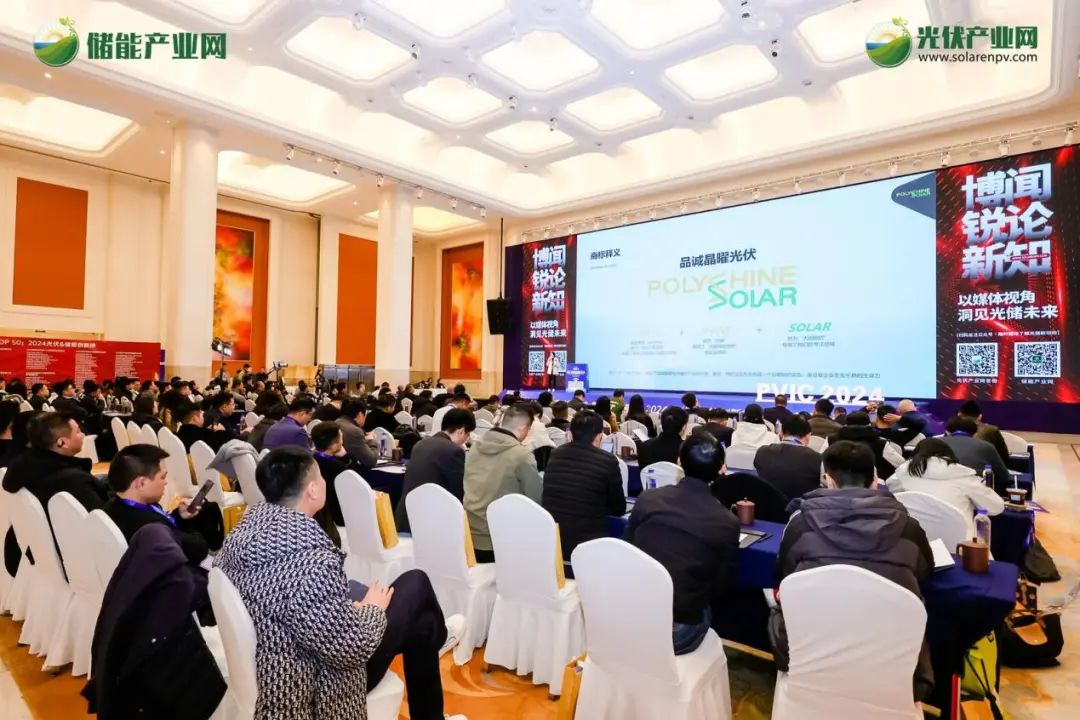

Australia has installed 380,712 home battery storage systems totaling 10.7GWh of capacity since the launch of the Cheaper Home Batteries Program last year, Climate Change and Energy Minister Chris Bowen announced at the 2026 Smart Energy Conference in Sydney on May 6.
Bowen noted the subsidy scheme’s uptake has outpaced the government’s EV tax discount, describing households’ response as “enthusiastic.” Launched post-2025 federal election, the program’s funding is set to grow from an initial AU$2.3 billion (US$1.63 billion) to AU$7.2 billion by 2030—more than triple the original estimate. In November 2025, the Clean Energy Regulator reported processing around 8,000 program applications weekly, though rumors of potential modifications, including an early wind-up, emerged in early March ahead of next week’s May Budget.
Bowen also highlighted a milestone: renewable energy supplied over 50% of Australia’s electricity in Q4 2025, the first quarter renewables exceeded half of total generation. He emphasized the government’s focus on “sensible policies” to expand fast-deploying, low-cost, low-emission renewable energy.
Addressing the Iran crisis—labeled by IEA Executive Director Fatih Birol as “as big as the 1970s and 2022 crises combined”—Bowen said Australia currently holds 43 days of petrol, 33 days of diesel, and 28 days of jet fuel domestically, with an additional 400 million litres of diesel and 100 million litres of jet fuel secured via government and industry efforts. He criticized the opposition for lacking constructive crisis responses and opposing renewable energy.
Climate Energy Finance’s Tim Buckley noted the Middle East crisis exposes Australia’s oil dependency, urging the government to accelerate investment in battery storage, EVs and renewable infrastructure instead of short-term crisis management. Fortescue Chairman Andrew Forrest called for ending the diesel fuel rebate for large industrial users, stating the scheme—costing AU$122 billion since 2006, with AU$55 billion to miners—undermines decarbonization and will reach AU$184 billion by 2030 if unchanged.
On EV adoption, Bowen shared April 2026 data: 27.5% of light vehicle sales were EVs or plug-in hybrids, up from 1.9% in April 2022. Nearly half of new light vehicles sold were electric, plug-in hybrid or hybrid, compared to 1 in 10 four years prior. Australians bought 515 EVs daily in April 2026, versus 29 in April 2022—equating to one EV sold every three minutes, up from one every 50 minutes four years ago.