Chinese solar manufacturing giant JinkoSolar has sold a 75.1% majority stake in its US subsidiary, Jinko Solar (US) Industries, to private equity firm FH Capital, while retaining a 24.9% minority stake.
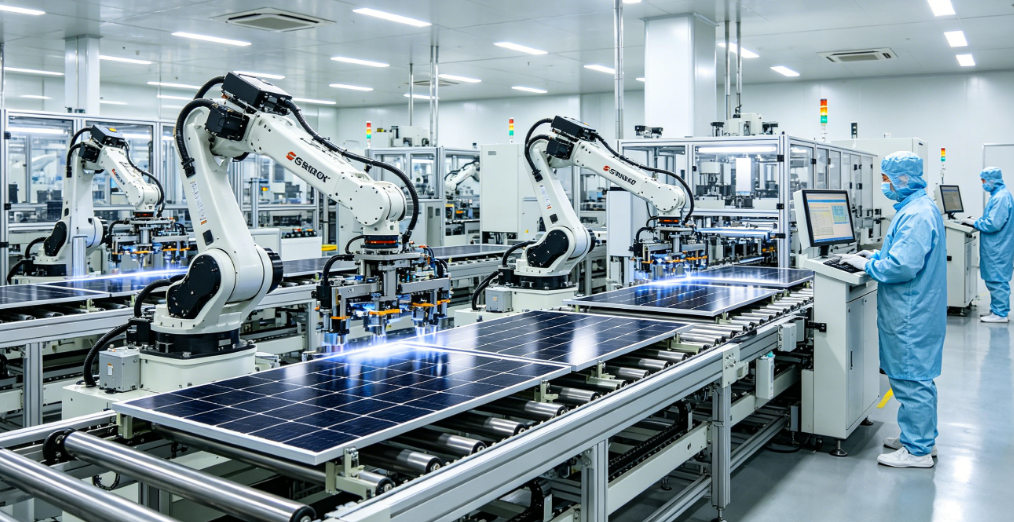
Jinko Solar (US) Industries operates a 2GW solar module manufacturing facility in Jacksonville, Florida. FH Capital stated that it will inject additional capital to at least double the facility’s production capacity and launch battery energy storage system (BESS) manufacturing in the US. The firm holds assets in the energy and industrial sectors, including an investment in South Carolina-based solar cell manufacturer ES Foundry.
Nigel Cockroft, US general manager of JinkoSolar, commented that the transaction provides the right ownership, management and strategic direction to expand capacity and meet the growing demand for high-performance US-sourced renewable energy products.
The ownership transfer comes as the US solar industry faces increased scrutiny of Chinese companies and products. The Trump administration introduced new Foreign Entity of Concern (FEOC) restrictions in its 2025 budget bill, limiting Chinese ownership, influence or funding in solar manufacturing facilities and power generation projects that seek federal tax support. Coupled with domestic content requirements and various tariffs such as AD/CVD on solar imports, the US has become less welcoming to foreign-owned solar manufacturing.
JinkoSolar’s move follows similar actions by other Chinese solar firms: Trina Solar sold a majority stake in its US module facility to T1 Energy (formerly Freyr Battery) in December 2024, and JA Solar sold its 2GW US module assembly plant to Corning.
Questions linger over whether the US’ restrictive policies on Chinese entities will benefit its domestic solar manufacturing industry, which has grown to around 50GW of annual module production capacity in recent years. Major US players, led by First Solar and Hanwha Qcells, have advocated for stricter trade enforcement and tariffs to support domestic manufacturers, with their legal representative Tim Brightbill emphasizing the urgency of robust trade enforcement amid downstream legislative changes.