Image:BYD
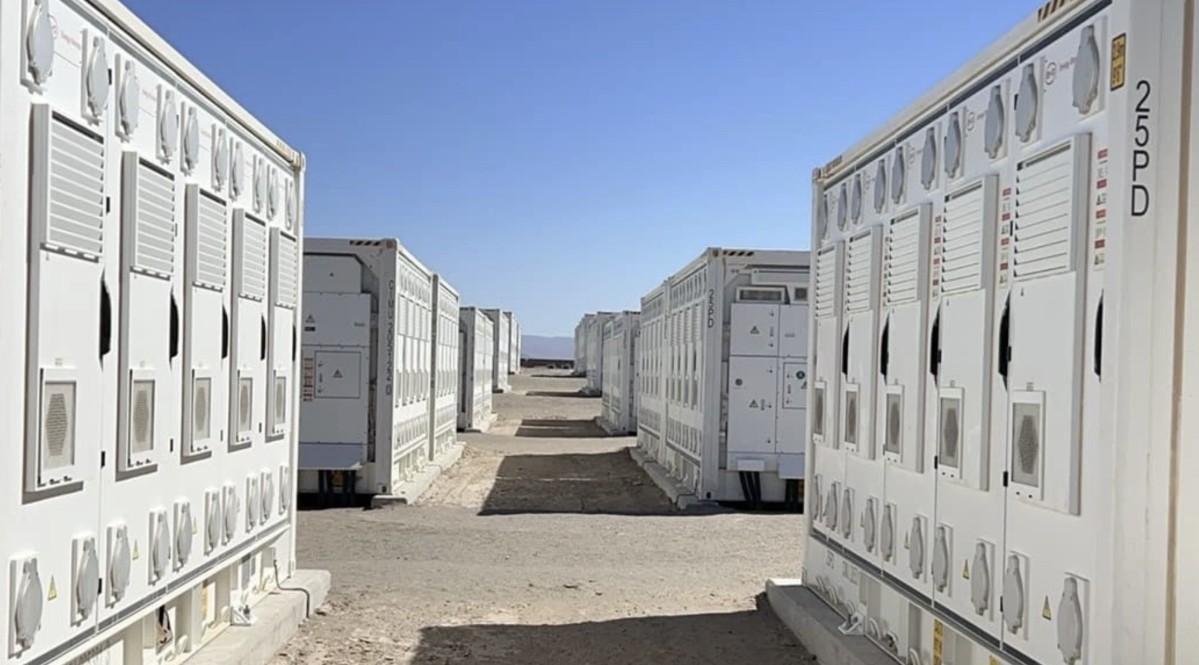
Headquartered in Shenzhen, Chinese new energy giant BYD is set to invest up to 500 million Brazilian reals (USD 98 million) to build a battery energy storage system (BESS) production line in Brazil, catering to the country’s upcoming first federal auction for grid-scale energy storage.
BYD Brazil Senior Vice President Alexandre Baldy revealed that the company will finalize its site decision within approximately 90 days, weighing two options: expanding its existing battery plant in Manaus or constructing a brand-new facility in another region of Brazil. According to local Brazilian media, the phased self-funded investment is projected to create 300 to 400 direct jobs in its initial phase.
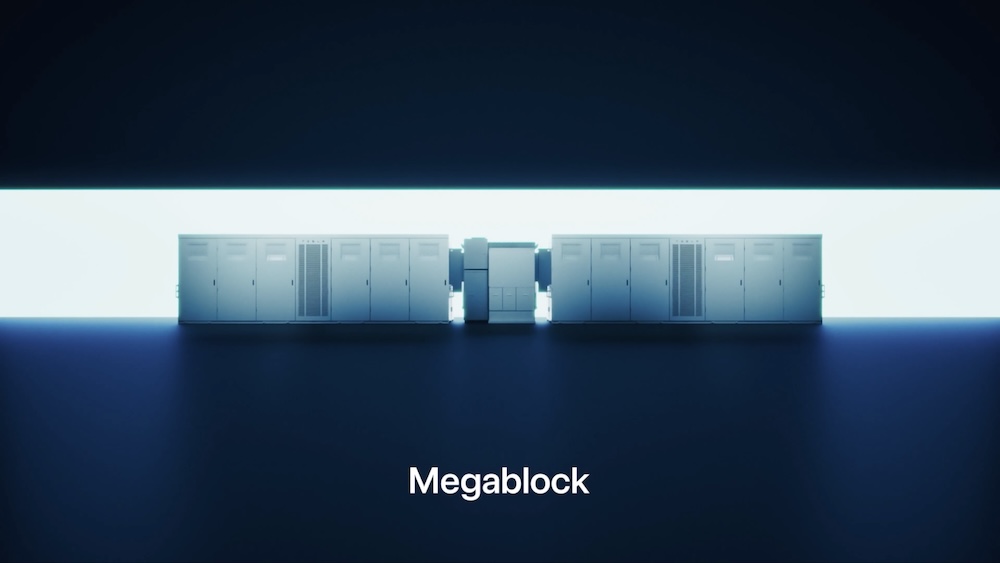
The planned production line will specialize in grid-scale BESS assembly instead of battery cell manufacturing. It will realize localized production of battery modules, packs and system integration based on BYD’s mature lithium iron phosphate (LFP) battery technology, while battery cells will continue to be sourced from BYD’s global supply chain.
BYD already operates an LFP battery facility in the Manaus Industrial Estate of Amazonas state. Expanding the existing plant will enable the firm to leverage established local operational systems, supply chain infrastructure and preferential tax policies. Meanwhile, a new standalone factory will offer greater flexibility to build a specialized grid-scale BESS manufacturing base near future market demand hubs or areas with favorable policy incentives.
The investment is tailored to Brazil’s newly rolled-out energy storage policy framework. Brazil’s Ministry of Mines and Energy and electricity regulator Aneel have unveiled rules for the nation’s first exclusive capacity reserve auctions for battery energy storage. Scheduled for December 2026, the auctions will sign 15-year service contracts for grid-scale storage projects, with official power delivery starting in August 2028.
Notably, one auction session will limit participation to projects complying with domestic content standards set by Brazilian development bank BNDES, making local production a key strategic advantage for market entrants. Baldy confirmed that the ultimate scale of BYD’s investment will be partially determined by the official localization rules.
Grid-scale energy storage is in growing demand across Brazil. The rapid expansion of solar and wind power has outpaced local grid absorption capacity, leading to renewable energy curtailment during peak generation periods. Additionally, Brazil’s hydropower-dominated power system requires more operational flexibility amid shifting weather patterns and fluctuating power demand. BESS projects will effectively address industry pain points by providing peak load shifting, grid frequency stabilization and power congestion relief services.