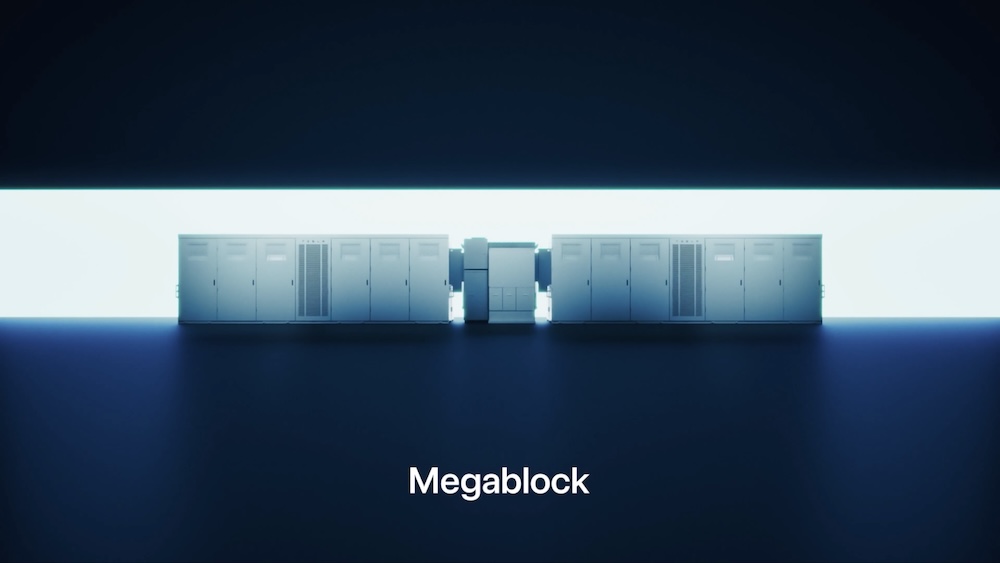

Cuba has put into operation its first 50 MW Battery Energy Storage System (BESS) at the Cotorro substation in Havana, marking a key milestone in the country’s power grid upgrade and clean energy transition, local state media reports confirmed.
The newly commissioned battery system has completed rigorous live grid testing under extreme operational scenarios, including power generation outages at the Antonio Guiteras thermal power plant and high-voltage transmission line faults. During the tests, the BESS successfully delivered real-time power injection and absorption functions, effectively stabilizing grid frequency and enhancing the reliability of national power supply.
The Cotorro facility is the inaugural project of Cuba’s four-phase 50 MW BESS development plan, which will deliver a total installed capacity of 200 MW upon full completion. The three remaining battery storage projects are scheduled to be built at another Havana site, Cueto in Holguín province, and Bayamo in Granma province respectively, forming a distributed energy storage network across key regions of the country.
The battery storage deployment is a core component of Cuba’s national energy strategy, aimed at reinforcing the stability and resilience of the domestic electricity system while scaling up solar power development. The Cuban government has unveiled a clear renewable energy roadmap, targeting around 2 GW of installed solar capacity by 2028, with multiple solar projects designed to be paired with battery energy storage units for optimal energy utilization.
According to local authorities, the new BESS will serve two major functions: storing surplus electricity generated by solar panels during daytime peak sunlight hours and dispatching reserved power to the grid when demand surges. Beyond peak load regulation, the system will also provide professional frequency regulation services to support grid operation.