Image:CATL
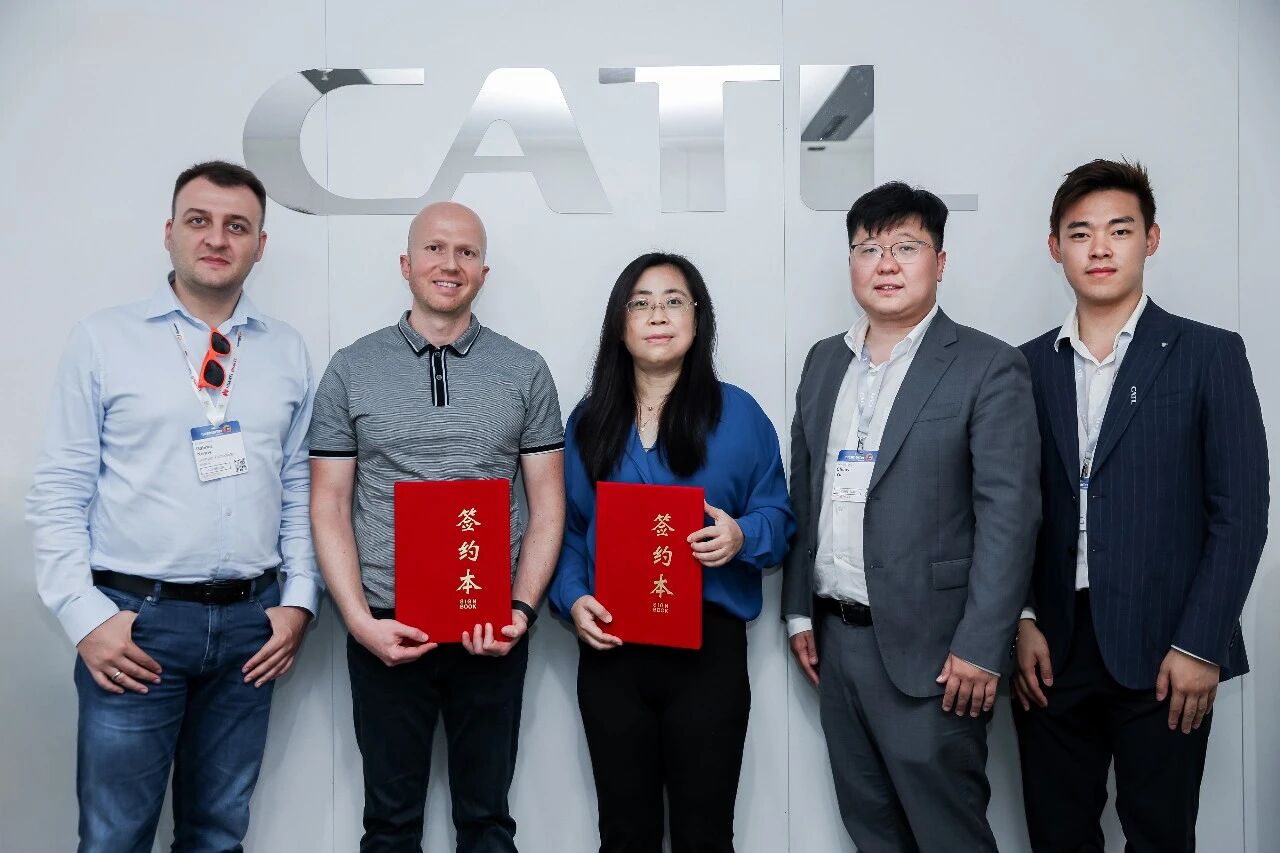
China's CATL, a leading global battery manufacturer, has sealed a strategic partnership with Bulgarian solar and energy storage firm Solarpro to supply 2 gigawatt-hours (GWh) of sodium-ion battery energy storage systems (BESS) for projects across Central and Eastern Europe (CEE).
Under the newly signed agreement, the two parties will jointly develop sodium-ion storage solutions tailored to the CEE region’s unique climate conditions and local grid operational requirements. The collaboration will launch the first-ever sodium-ion battery storage projects in Central and Eastern Europe, focusing primarily on Lithuania and other key regional markets.
Solarpro highlighted the unique strengths of sodium-ion technology for stationary energy storage scenarios. Compared with lithium-based batteries, sodium-ion batteries deliver superior low-temperature performance and longer service life, making them a viable, cost-effective alternative for specific energy storage applications. The new deal further extends the long-standing partnership between CATL and Solarpro. Earlier in May, the two companies successfully commissioned a 602 MWh BESS project in Bulgaria, which boosted the country’s total energy storage capacity by 10%.
CATL stated that the new batch of regional projects will facilitate the adaptation of its sodium-ion technology to European grid codes, greatly accelerating the large-scale commercial deployment of Chinese-developed sodium-ion storage solutions in overseas markets.
The cooperation marks another milestone in CATL’s European market expansion strategy for sodium-ion batteries. To scale up sodium-ion production and application, the company secured a 60 GWh three-year supply contract with domestic energy storage integrator HyperStrong in April, recognized as the world’s largest sodium-ion battery supply deal to date.
CATL noted that its decade-long R&D investment of approximately CNY 10 billion since 2016 has helped the technology overcome core bottlenecks restricting mass manufacturing, laying a solid foundation for industrial promotion. In the same month, the company launched a new sodium-ion storage cell with the same specification as its mainstream 587 Ah lithium iron phosphate (LFP) cell, enabling seamless integration with existing energy storage systems and lowering application barriers.