David Energy, a software-driven energy supplier, has joined forces with food technology platform Wonder to deploy consumer-grade 120-volt plug-in battery storage across 21 New York City locations. The collaboration cuts commercial kitchen electricity bills by 3% to 5% through custom software integration, while completely skipping traditional utility interconnection queues.
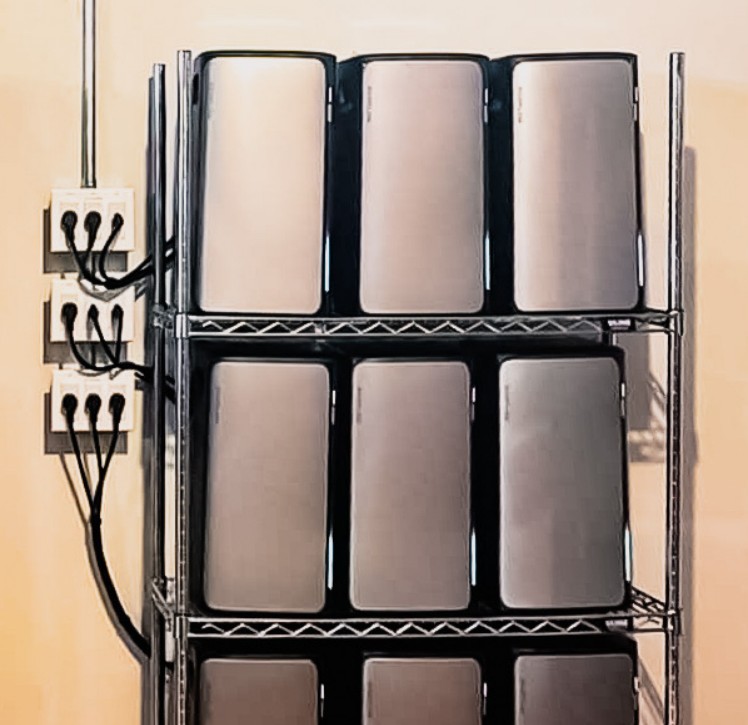
This turnkey solution leverages tailored software to automate commercial load-shifting, removing upfront capital costs for Wonder and avoiding the lengthy study and approval processes associated with standard utility connections. The deployment features EcoFlow STREAM Ultra modular hardware—each unit equipped with lithium iron phosphate (LFP) chemistry, 800 W output, and 1.92 kWh of storage capacity—connected directly to standard 120-volt AC circuits in store breaker rooms. Unlike typical commercial battery management systems, the hardware is controlled exclusively by David Energy’s proprietary software platform.
David Energy’s platform manages charging and discharging schedules to execute automated time-of-use arbitrage for Wonder’s all-electric kitchen loads. Batteries charge during off-peak overnight hours, when wholesale market prices and grid congestion are at their lowest, then discharge stored energy to power refrigeration and food preparation equipment during high-cost utility demand windows. Operating strictly behind the meter with no backfeeding into the distribution network, the installations bypass Con Edison’s interconnection queues, enabling fast, multi-site deployment without delays.
Under a 36-month zero-capex contract, David Energy retains ownership of the battery hardware while delivering the full turnkey system to Wonder. The financial model combines time-of-use bill management, demand charge reduction, demand response earnings, and capacity tag (ICAP) mitigation, resulting in an average 3% to 5% drop in total customer electricity bills. David Energy sees a simple payback period of approximately three years per deployment, with shorter timelines expected as hardware costs fall and software control algorithms advance.
Eligible locations from the initial rollout are enrolled in Con Edison’s Commercial System Relief Program (CSRP) and Distribution Load Relief Program (DLRP), contributing virtual power plant capacity to the regional grid. During peak thermal stress, the aggregated plug-in batteries ease local feeder congestion during summer heatwaves and reduce reliance on fossil-fired peaker plants across the metro area.